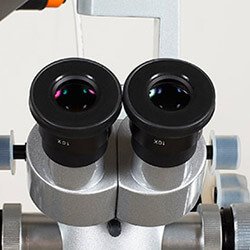
Medical devices can range from mass-produced stents to custom-made parts like prosthetics or other implants. In either event, these parts need to not only fulfil their function but also need to do so the first time.
In the study and development of medical equipment or any other products that interact with the human body, e.g., airbags, prosthetics, heart valves or joint replacements, simulation can provide biomechanical engineers with invaluable feedback regarding expected performance and durability.
Engineers can also find answers to the following questions:
- How can we optimise the design within a reasonable timeframe?
- How can we improve product development while still maintaining safety and reliability?
During the design of this equipment, adherence to standards is of utmost importance. Combining testing and simulation can help engineers pass safety requirements more easily and with fewer prototypes, therefore reducing costs and improving the lives of the individuals whose lives depend on the quality and performance of these devices.